
Pediatric Dentistry
When Should My Child First Visit the Dentist? A Parent's Guide
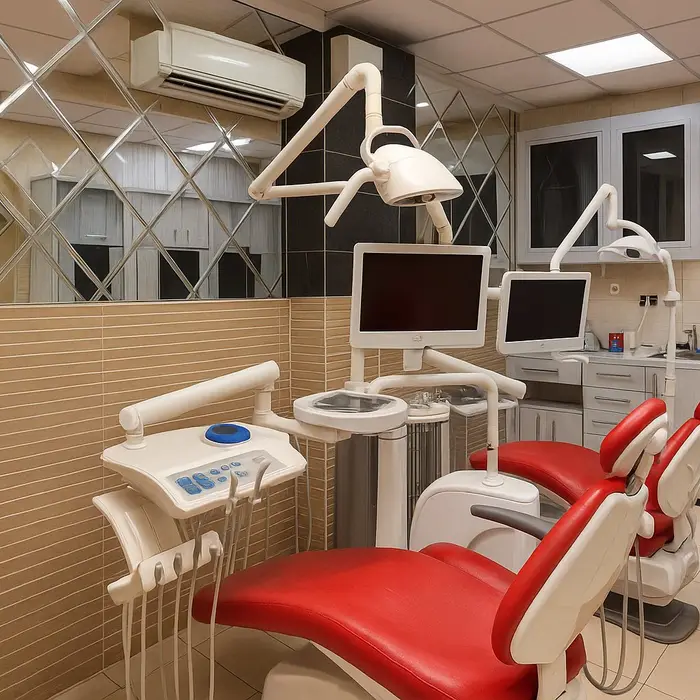
Parents in Roorkee ask me this almost weekly: “When should we first bring our child to the dentist?” The honest answer surprises most people — and the reasons behind it matter.
The international guideline, endorsed by the Indian Academy of Pediatric Dentistry, is clear: by the child’s first birthday, or within six months of the first tooth appearing — whichever comes first.
That usually means between 9 and 12 months old.
Why so early? They barely have teeth.
That’s precisely the point. The first visit isn’t really about treating problems — it’s about preventing them, and about making the dental chair a familiar, unthreatening place long before any actual treatment is ever needed.
At a first visit, we:
- Check the teeth that have erupted and the gums around them for early decay signs
- Look at the bite pattern and jaw development
- Demonstrate the correct way to brush a small child’s teeth (which is surprisingly different from how adults brush)
- Discuss feeding habits — particularly bottle feeding at night, which is the single biggest cause of early childhood cavities
- Talk about thumb-sucking, pacifier use, and when these become a concern
- Answer every question the parents have, without rushing
There’s no drilling, no injection, usually no procedure at all. The child sits on the parent’s lap for much of it. It’s a conversation more than an examination.
The rising problem of Early Childhood Caries
The reason pediatric dentists have moved the first-visit recommendation earlier over the last 20 years is simple: we’re seeing more cavities in very young children, not fewer.
In Roorkee, we regularly see 3- and 4-year-olds with significant decay in their front teeth. Almost every case traces back to the same few habits:
- Giving a bottle of milk or juice at bedtime and letting the child fall asleep with it
- Allowing sugary drinks (fruit juice, flavoured milk, soft drinks) throughout the day in a sippy cup
- Not brushing baby teeth because “they’re going to fall out anyway”
- Sharing spoons or cleaning the pacifier in the parent’s mouth (this transmits decay-causing bacteria from parent to child)
Baby teeth matter. They hold space for the permanent teeth, they shape the jaw’s development, and they affect speech. A child who loses front teeth to decay at age 3 will have consequences in their permanent dentition.
What we do differently for children
Children aren’t small adults, and they shouldn’t be treated with the same approach. At our Roorkee clinic, children’s appointments include:
- Shorter visits. A child’s ability to cooperate drops sharply after about 20 minutes.
- Tell-show-do. Before we use any instrument, the child gets to see it, hold it, and understand what it will feel like. Anxiety comes from the unknown.
- Language matters. We never say “injection”, “pain”, “drill” or “hurt”. We say “sleepy juice”, “tooth shower”, “tooth counter”.
- Parents in the room. For very young children, parents stay nearby. For older children (6+), sometimes it helps to have the parent step back so the child can build their own relationship with us.
- Positive reinforcement. A sticker or small reward at the end of every visit. It works.
How to prepare your child for their first visit
What you do before the appointment matters as much as what we do during it.
Do:
- Speak positively about the visit. “We’re going to meet a friendly dentist who counts teeth!”
- Read a children’s book about visiting the dentist beforehand (there are many good ones).
- Schedule the appointment at the child’s best time of day — usually mid-morning, after breakfast and before nap time.
- Bring a comfort item (favourite stuffed toy, blanket) if your child is very young.
Don’t:
- Say “it won’t hurt” — this plants the idea that it might. Just don’t mention pain at all.
- Use dental visits as a threat (“if you don’t brush, the dentist will pull your tooth out”). This creates lifelong anxiety.
- Share your own dental anxiety. Children read parent body language more than words.
Brushing a toddler’s teeth (the part nobody tells you)
Children under 7 do not have the motor skills to brush their own teeth effectively. You need to brush for them — no matter how much they protest — until they can tie their own shoelaces reliably. Around age 7 is usually when handover begins.
Use a rice-grain-sized amount of fluoridated toothpaste for children under 3, and a pea-sized amount from age 3 onwards. Brush twice a day. The night brushing is the critical one — saliva flow drops during sleep, which removes the mouth’s natural protection.
When to start orthodontic monitoring
The first orthodontic check-up is recommended around age 7, even if everything looks fine. By that age, we can see how the permanent teeth are coming in, spot jaw-size imbalances early, and — if needed — use interceptive orthodontics (simple expanders or habit-breakers) that prevent much more complex treatment later.
Most 7-year-olds don’t need any orthodontic treatment at their first check. Catching the ones who do is worth it.
How much does a child’s dental visit cost?
A routine pediatric check-up and cleaning at Dantam Dental Solutions typically costs ₹500–₹1,000. Most preventive treatments for children — fluoride application, fissure sealants on permanent molars — are in the ₹500–₹2,000 range. Children’s fillings, when needed, start at around ₹800.
We’d rather see your child four times for ₹500 each than once when there’s a big problem.
Book your child’s first visit in Roorkee
If your child has never seen a dentist and is older than 1, it’s not too late — but start now. The earlier a child develops positive associations with dental care, the easier every future visit will be.
Book a children’s consultation at Dantam Dental Solutions, or call us at +91 97591 17777. We’ll schedule a time that works for your child’s routine, and we’ll make the visit as gentle as it ought to be.