
Orthodontics
Invisalign vs Traditional Braces: Which is Right for You?
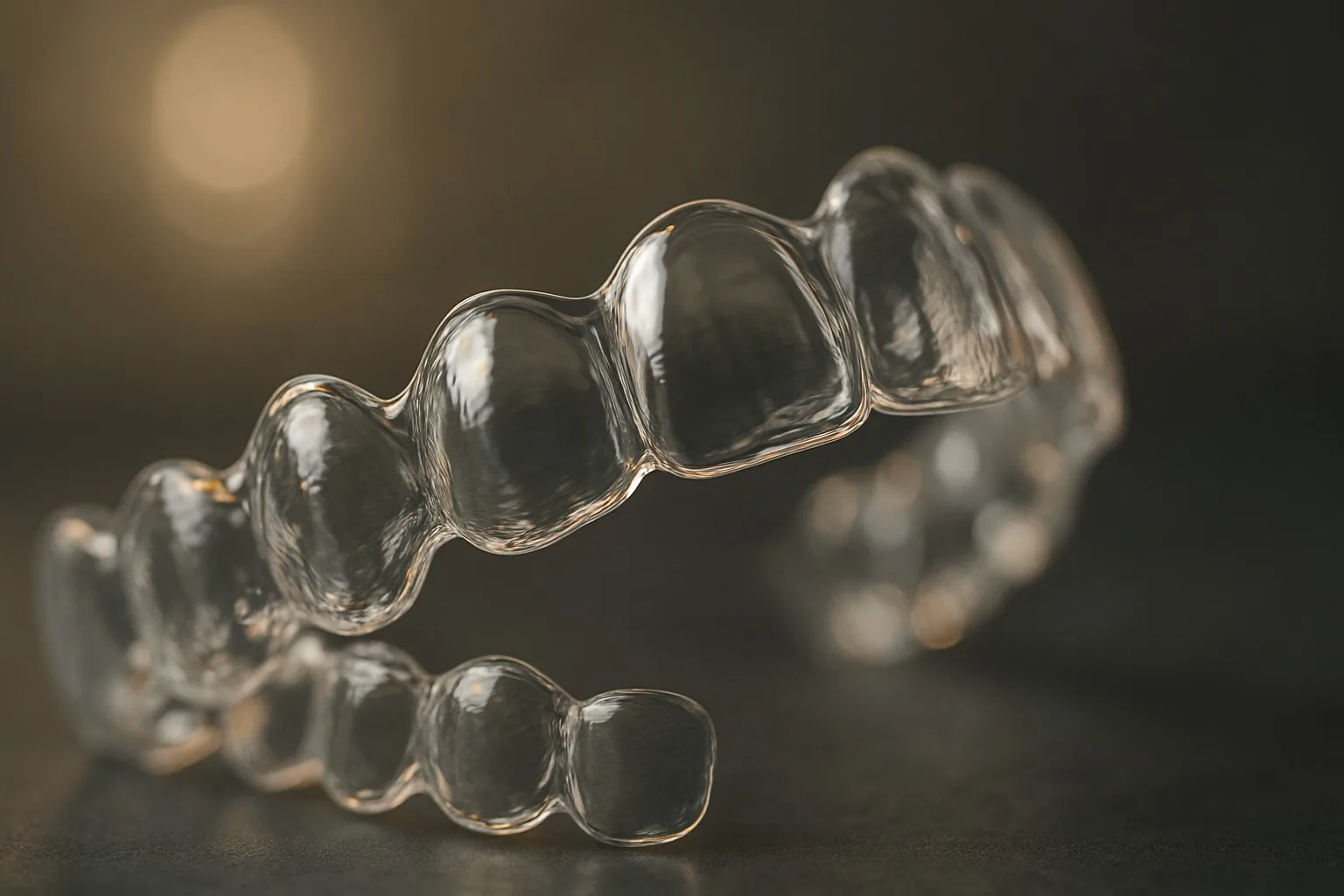
Most patients who come to me asking about braces have already made up their mind about one thing: they want something clear. Invisalign is now the headline product in orthodontics, and for good reason — it’s a genuinely excellent system. But it isn’t the right answer for everyone.
Here’s how I think about the choice when I’m advising patients at our Roorkee clinic.
The short version
- Simple to moderate crowding, spacing, or mild bite issues: Invisalign is often a beautiful fit — comfortable, discreet, faster than people expect.
- Severe crowding, complex bite problems, or significant jaw-alignment issues: Traditional braces (metal or ceramic) usually get a more predictable result, and sometimes they’re the only option.
- Teenagers with developing jaws, or anyone who will not wear aligners 22 hours a day: Traditional braces, every time. Aligners you leave in a napkin at a restaurant do nothing.
How Invisalign actually works
Invisalign uses a series of custom-made, transparent plastic trays called aligners. You wear each tray for 1–2 weeks, then switch to the next one in the series. Each tray is calibrated to shift your teeth a tiny amount (roughly 0.25mm per tray). Over 18–30 trays, your teeth end up in their target position.
You must wear them 20–22 hours per day. This is the single biggest predictor of success. Take them out only for eating, drinking hot liquids, and brushing.
How traditional braces work
Brackets are bonded to the front (or, in the case of lingual braces, the back) of each tooth, and an archwire runs between them. Over 18–30 monthly adjustments, the orthodontist manipulates the wire to move teeth. Brackets can be metal, ceramic (tooth-coloured), or gold — cosmetics are a personal preference.
Braces work 24 hours a day whether you want them to or not. This is their great advantage over aligners.
The six things patients ask me most often
1. Which is faster?
For mild to moderate cases, Invisalign and modern braces finish in roughly the same time — 12–18 months on average. For complex cases, braces are usually faster because they can generate specific movements (rotations of round teeth, large root movements) that aligners struggle with. Don’t believe any clinic that promises “Invisalign in 3 months” for a typical case — that’s marketing language, not orthodontic reality.
2. Which is more comfortable?
Invisalign, clearly. There are no brackets rubbing against the inside of your lip and no wires to poke out. Most patients describe mild pressure for the first 2 days of each new aligner, then nothing.
3. Which works better?
For the right case, both work excellently. For the wrong case, neither will. The most important decision isn’t braces vs Invisalign — it’s getting a proper diagnosis from an orthodontist who will tell you honestly which is suitable.
4. How much does Invisalign cost in Roorkee?
At our clinic, Invisalign ranges from around ₹1,20,000 for mild cases (Invisalign Lite / Express) to around ₹2,80,000 for full comprehensive cases. Traditional metal braces start at around ₹35,000. Ceramic braces are typically ₹55,000–₹80,000. Lingual braces, the most discreet traditional option, are usually ₹1,50,000+ because they’re custom-made for the inside of each tooth.
The Invisalign premium exists because the system includes 3D digital planning, custom aligner manufacturing, and significant case-management technology. It’s not markup — it’s genuine cost structure.
5. Are aligners suitable for kids?
Invisalign First is available for younger patients (roughly ages 7–12), but compliance is a real issue. Parents need to be prepared to supervise daily wear. For many children, traditional braces or two-phase treatment remains the better choice.
6. What if I lose an aligner or a bracket falls off?
With Invisalign, we simply go back to the previous aligner you still have (keep every one in a labelled bag!) and order a replacement. With braces, a loose bracket needs to be re-bonded at the clinic — annoying, but quick.
How to decide
If you’re in Roorkee and thinking about orthodontic treatment, the best next step is a proper orthodontic consultation. We’ll take digital X-rays and a 3D scan, show you what your case actually looks like, and give you an honest recommendation for both options with transparent pricing for each. You choose.
Book an orthodontic consultation at Dantam Dental Solutions — consultations are complimentary, and you’ll leave with a clear picture of what treatment would look like for you.